

The creative director carousel: who went where, and what to watch now
In eighteen months the leadership has changed at almost every major house. Here is where everyone ended up — and why the next season will show which of them landed it.
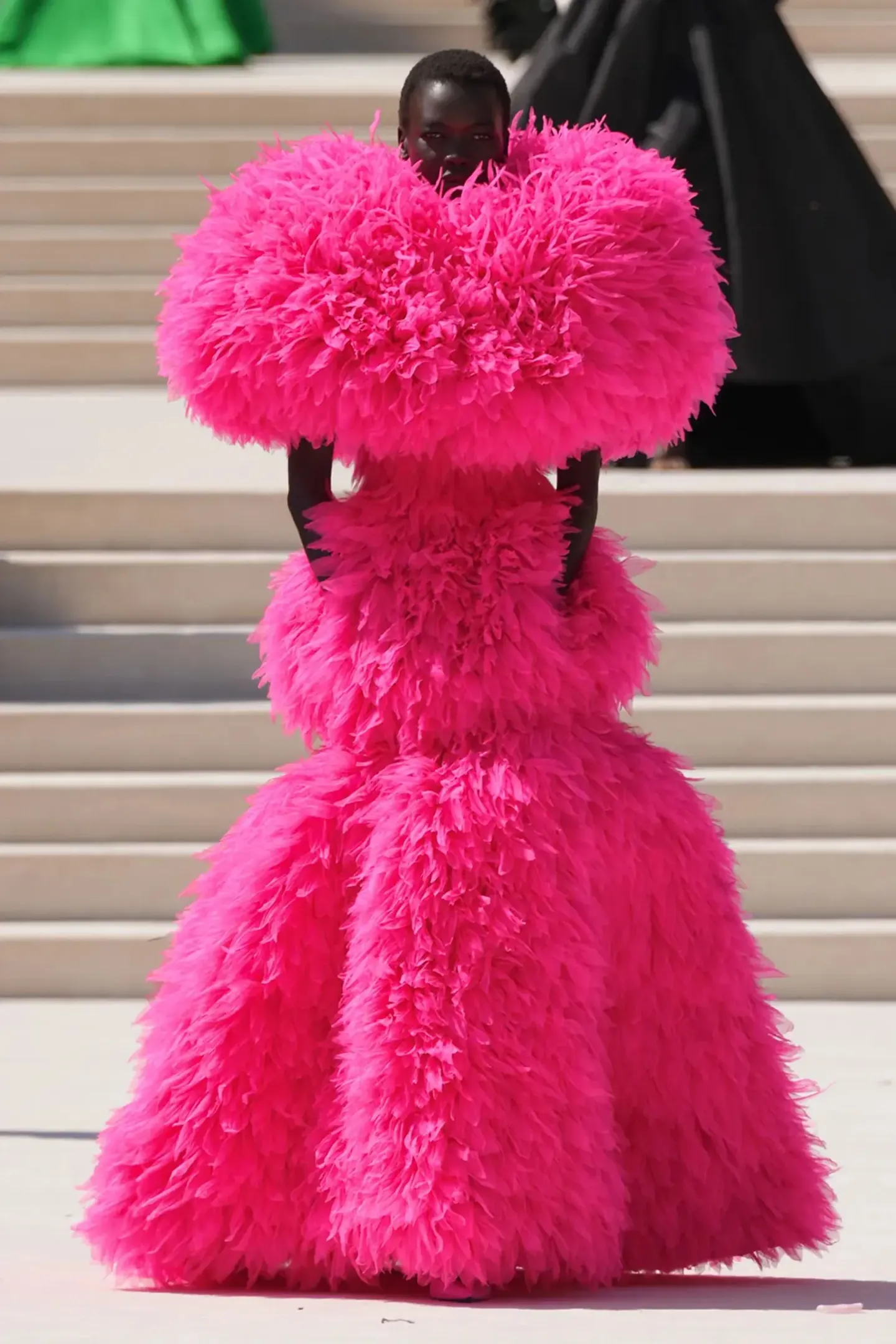
Fashion has been through the largest transplant of creative directors in decades. If you have lost the thread, here is the map to read the runways by.
Balenciaga: Pierpaolo Piccioli. He was appointed in May 2025 but only took up the post in July, after Demna’s final couture show. The house shows couture once a year, every July, so Piccioli had almost a full year to prepare his debut. He used it: the show took place in the open air at the Cité Internationale Universitaire de Paris, with Demi Moore, Naomi Watts, Cynthia Erivo and Isabelle Huppert in the audience. Among the pieces: an iridescent headpiece of cockerel feathers made with Philip Treacy for Gigi Hadid; a bustier dress in grass-green silk gazar; a trench embroidered with emu feathers. After the show the house wiped its Instagram and left three posts — portraits of the studio and atelier staff, captioned: “These are the people who built this collection with me.”
“Working in couture is a privilege, because you can experiment and invent,” Piccioli said. “The way you arrive at a collection is a path you walk together with people, and that is the greatest treasure of all.”
There is economics behind this too. On Morgan Stanley’s estimate, Balenciaga’s sales in 2025 came to €1.47bn against €1.65bn a year earlier. For comparison: under Demna, revenue grew more than fourfold from €360m in 2015. According to Kering, the house has returned to growth. “Pierpaolo Piccioli brings the brand a renewed direction. We think it will help strengthen the identity without blunting the edge,” Kering’s chief financial officer Armelle Poulou said.
Moschino: Loris Messina and Simone Rizzo, the founders of Sunnei, became co-creative directors after Adrian Appiolaza’s departure in June. The choice is a logical one: their last Sunnei show in September 2025 was not a show but a staged auction, where bidding was in “fashion dollars” — and they announced their own departure a few hours later. For a house with a heritage of irony and surrealism, that lands. The debut is in September 2026 at Milan Fashion Week.
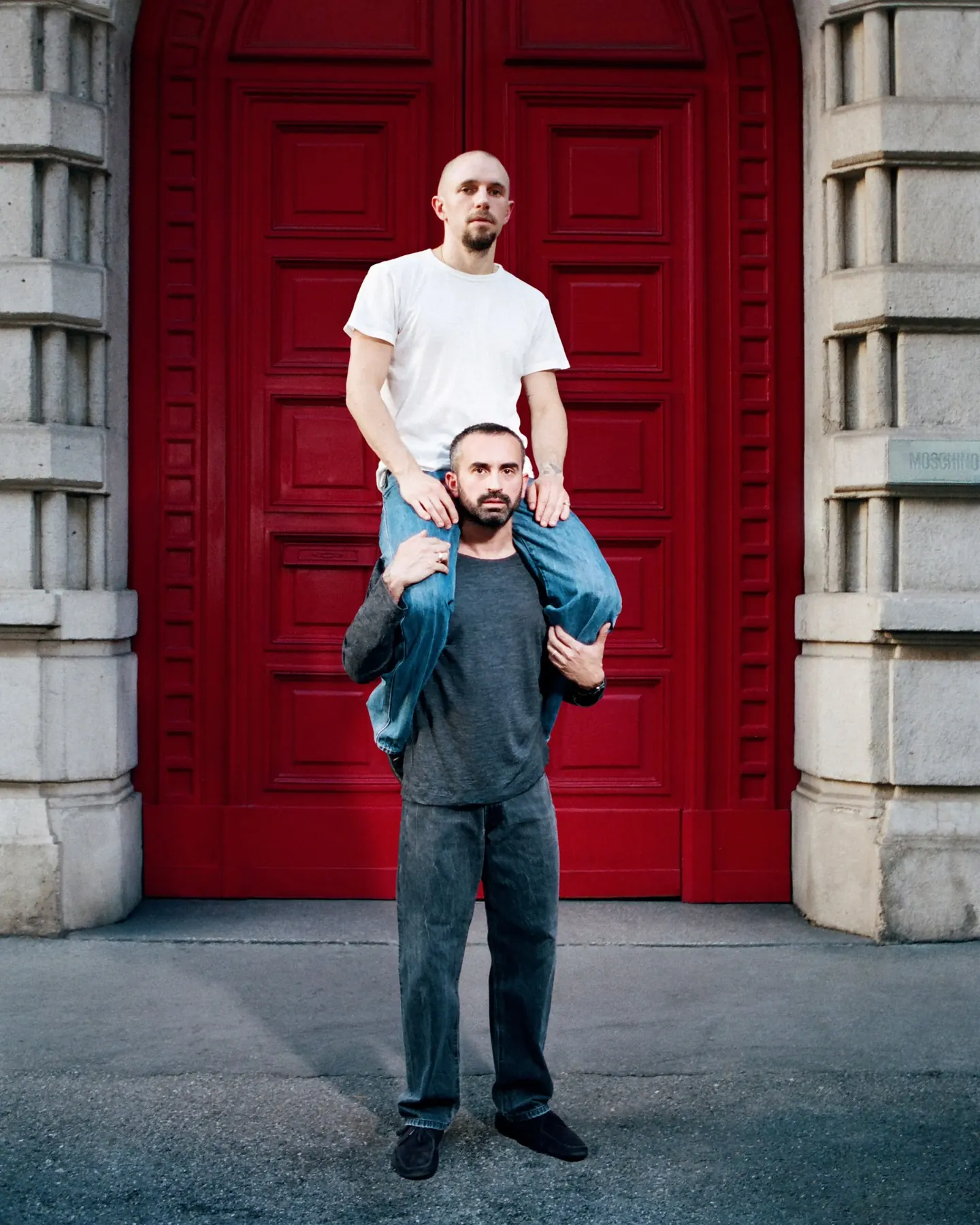
There is a caveat, though: Moschino belongs to the Aeffe group, which is having a hard time of it. In May the brand told shareholders it was insolvent, at the end of 2025 more than 200 people were made redundant across the group, and on 3 June Riccardo Bagolin was appointed general manager — charged with pulling off the turnaround alongside the restructuring officer Stefano Falliti.
Rabanne: Olivier Rousteing has taken the place of Julien Dossena, who spent thirteen years there. The first show is in March.
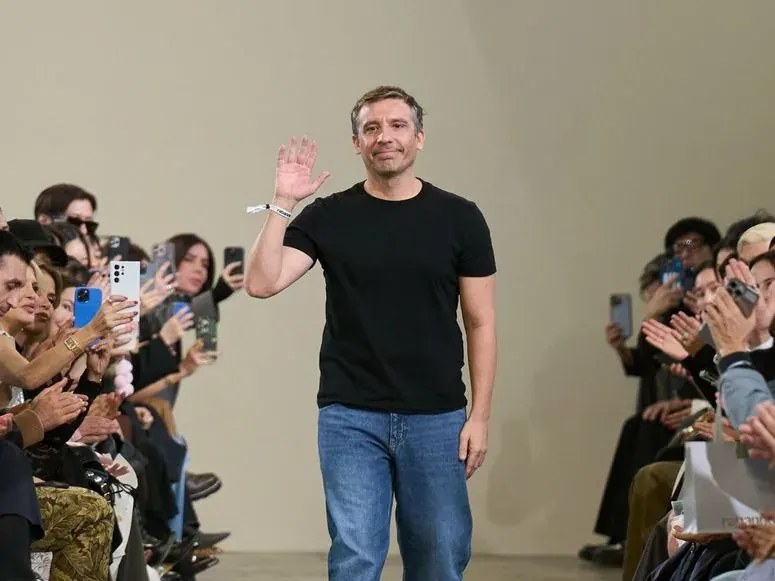
Further down the list: Pieter Mulier left Alaïa for Versace, leaving Alaïa without a creative director — the collection is being made by the studio. Demna moved to Gucci, Maria Grazia Chiuri to Fendi, Meryll Rogge to Marni, Jonathan Anderson to Dior, Matthieu Blazy to Chanel. Sarah Burton debuted with the Givenchy menswear line. Antonin Tron took charge of Balmain. Drew Henry got Courrèges, Kai Nesselrath Carven, Ludivine Poiblanc A.P.C. Harris Reed left Nina Ricci, Marco De Vincenzo left Etro, Guillaume Henry left Patou.
What follows from this in practice: almost all the debuts are behind us, and the next season is the season of second collections. A debut can be carried by expectation and the goodwill of the room. A second show does not work that way: it is what shows who has genuinely found the language of the house and who simply made a good entrance.