

Olivier Rousteing takes charge of Rabanne — and the announcement came on Bastille Day
In the portrait he holds the house’s signature chainmail, a pen and a notebook. He has 9.4m followers; Rabanne has 1.9m. First show in March.
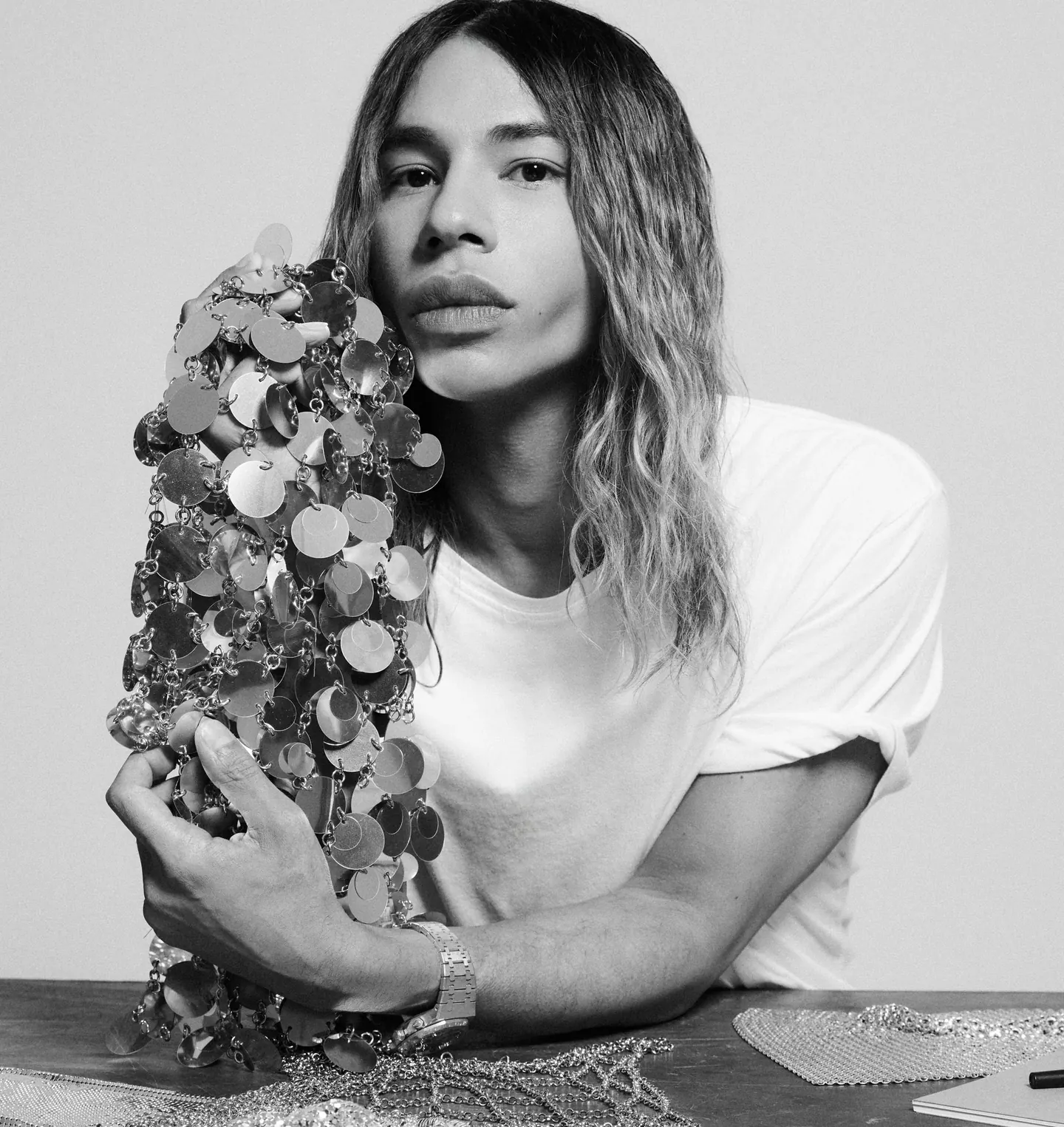
Olivier Rousteing has been officially appointed creative director of Rabanne. The house, owned by the Spanish group Puig, called it “a significant new step in the evolution of Rabanne”. The first show is at Paris Fashion Week in March, the autumn/winter 2027 collection.
He succeeds Julien Dossena, who spent thirteen years at the house. Rousteing himself left Balmain in November 2025, after fourteen years at its head.
“Joining Rabanne is an immense honour. This is a house that has always challenged convention, turning bold ideas into pieces that changed the history of fashion,” he said. The designer separately noted Dossena’s “outstanding creative legacy”: “His vision redefined the house for a new generation while preserving its respect for the pioneering spirit.”
The announcement came unexpectedly, on 14 July, France’s national holiday. In the portrait Rousteing holds in one hand that Rabanne chainmail of silver metal mesh, with a pen and a notebook on the table in front of him.
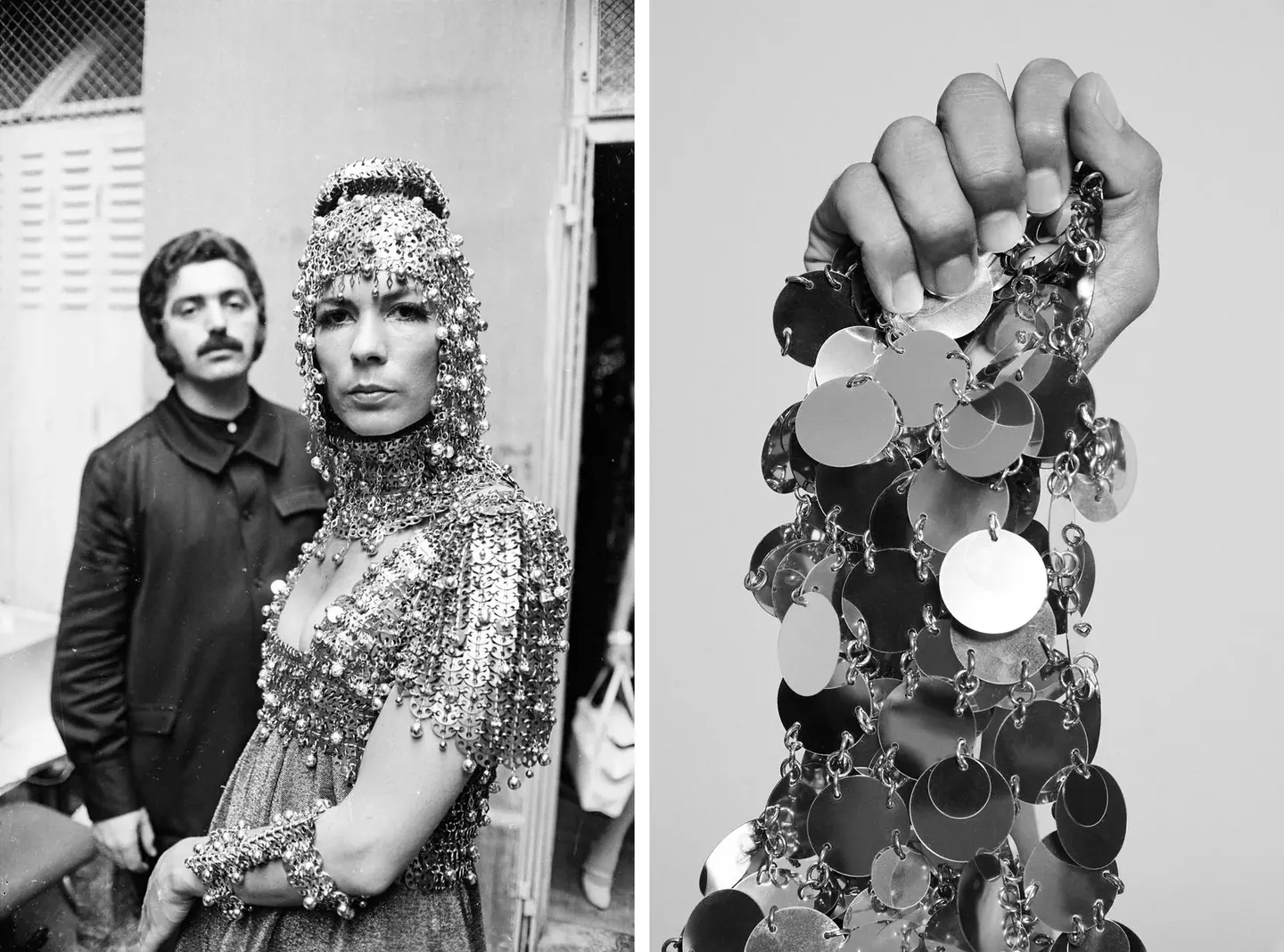
The logic of the appointment reads easily. Balmain under Rousteing meant a bold, heavily detailed aesthetic that almost literally asks to be put in a house synonymous with the metal dress. He is forty, with fifteen years as a creative director behind him: when he took Balmain in 2011, he became the youngest non-founding designer to head a major Paris house since Yves Saint Laurent’s appointment at Dior.
The second argument is audience. At Balmain, Rousteing built the “Balmain Army”: a motley and highly influential community of models, influencers and celebrities, the Kardashians among them. In an era where celebrity decides everything, he brings both the contacts and the media weight. He has 9.4m followers on Instagram; Rabanne has 1.9m. In May he came back into view loudly, making Beyoncé a custom dress for the Met Gala — flesh-toned mesh with a diamond skeleton running to the fingertips.
The third is the numbers. Balmain’s revenue grew tenfold during his time there. He has worked with Puig before, too: one couture season as guest designer at Jean Paul Gaultier in 2022.
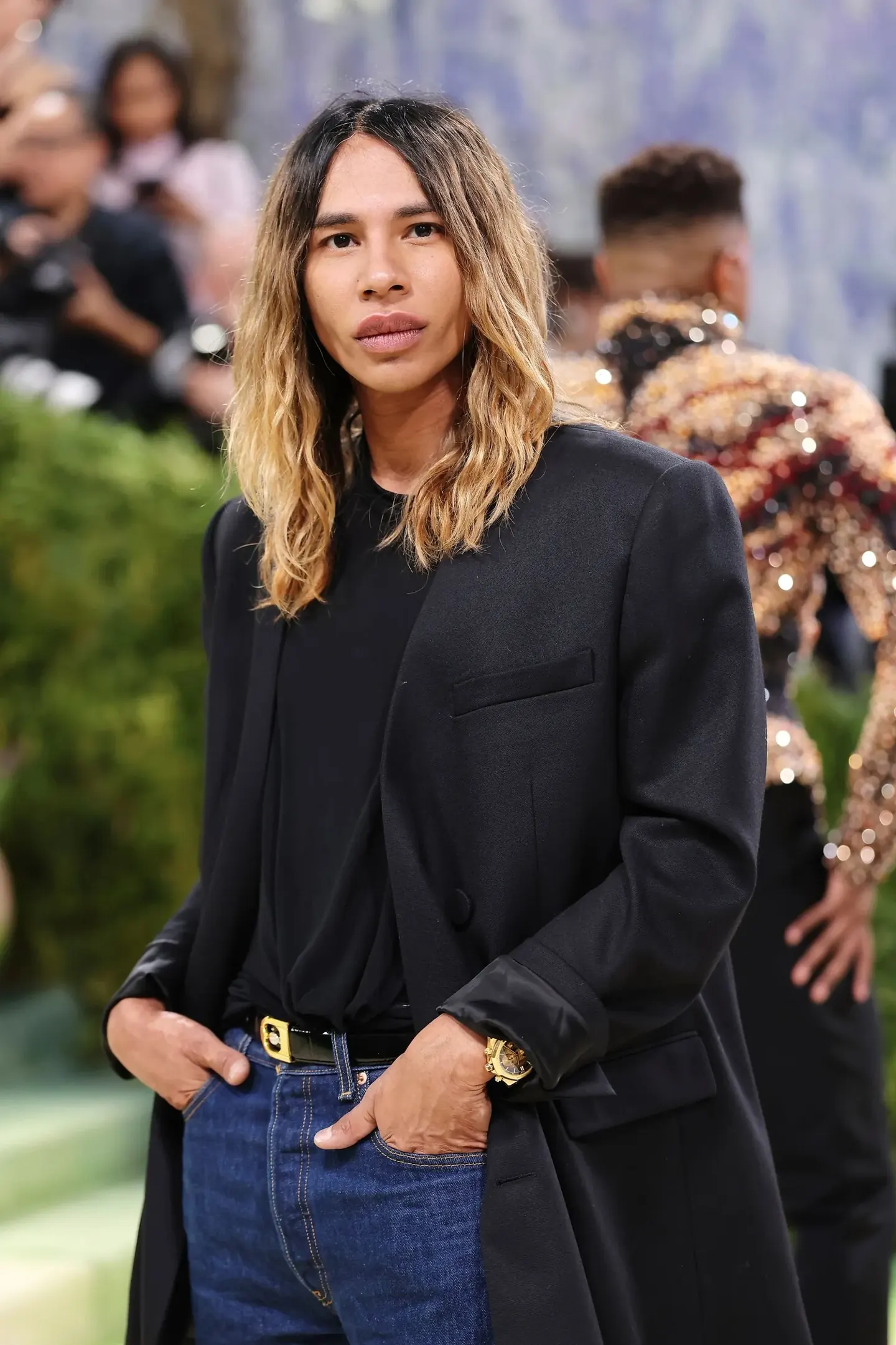
The stakes are high. Rabanne is a key brand for Puig: in 2023 it became the first in the group’s portfolio to pass €1bn in sales, largely thanks to the fragrances 1 Million, Invictus and Fame. Fashion here is a noticeably smaller business, but it is what creates the aura without which none of the rest works. “Fragrance is storytelling, and fashion gives the inspiration. Either you own that or you don’t, but either way it has to be cool,” says the TD Cowen analyst Oliver Chen.
The context is not straightforward: competition is growing, major houses are refreshing their creative leadership one after another, and the industry’s recovery is going more slowly than many had counted on. After merger talks between Estée Lauder and Puig collapsed, the pressure on the group to scale the portfolio it already has has only increased. Sales at Puig’s fragrance and fashion division, which includes Rabanne, rose 3.9% in the first quarter of 2026 to €897m.
The house’s management team is new as well: Jean-Jacques Guével quietly took the post of general manager of Rabanne’s fashion business in September 2024, and in April 2026 Renaud de Lesquen took charge of Rabanne One Brand, bringing fashion and beauty together under him. Before that he spent twelve years at LVMH, including as chief executive of Givenchy from 2020 to 2024.