

London has lost half of Burberry’s tourist sales — and they have gone to Paris
The Americas +12%, China +9%, Europe −3%. The chief executive is asking the incoming prime minister to bring back tax-free shopping: since 2019 tourist sales in London have halved, while in Paris they have grown 30%.
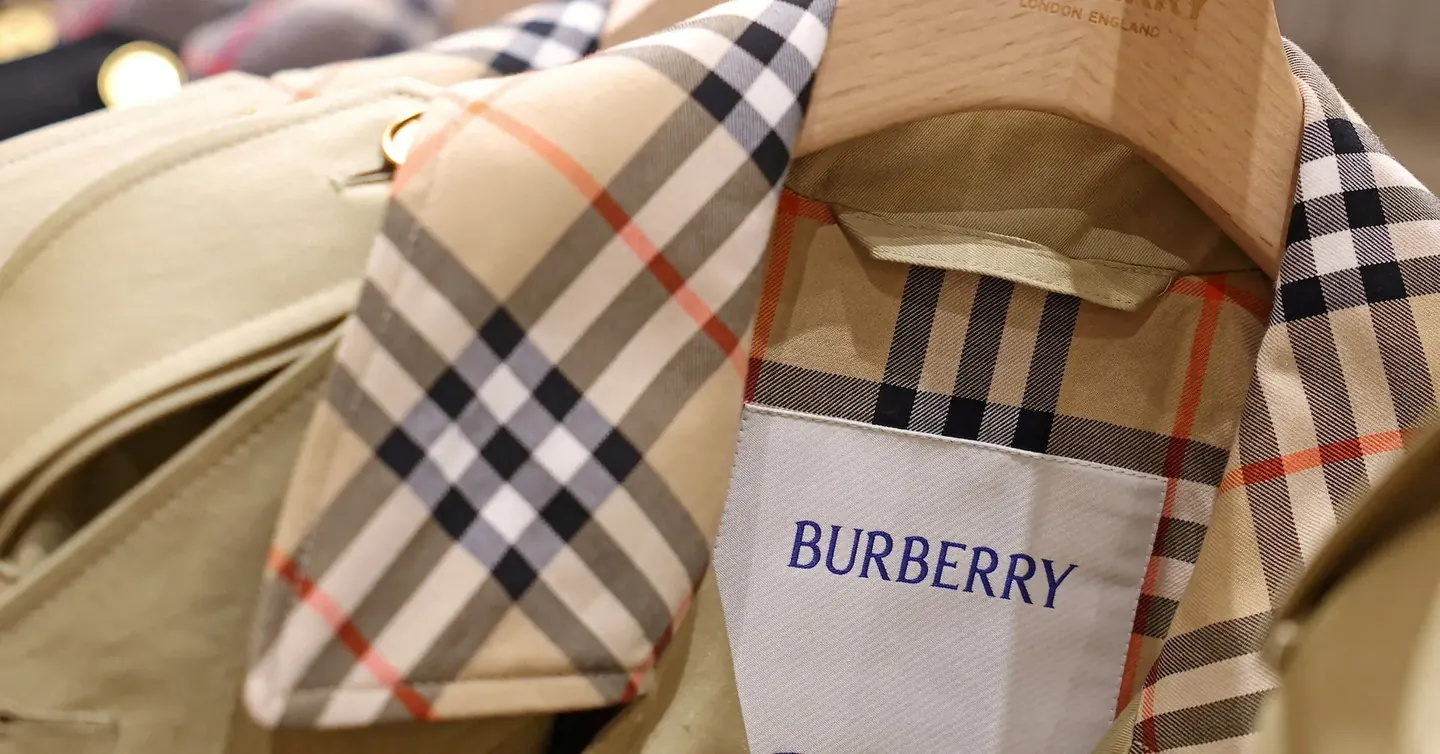
Burberry said the conflict in the Middle East is hitting tourist spending in Europe. Shares in the British brand fell more than 6% despite strong sales in the US and China in the April-to-June quarter.
Sales in the Europe and Middle East region fell 3%: fewer tourists are travelling to Middle Eastern retail hubs such as Dubai, and fewer Asian shoppers are coming to Europe. “Where we are really seeing the impact is tourism,” said chief financial officer Kate Ferry, adding that local spending is cushioning the blow in other regions and that American tourist spending remains high.
Although the Middle East accounts for only around 2% of Burberry’s sales, investors focused on the fallout from the conflict all the same: the war escalated on Friday as Iran launched fresh strikes on American military bases in the region, and luxury shares fell across the sector.
Chief executive Joshua Schulman, two years into the company’s turnaround, is betting on two “must-win” markets, the US and China. So far the strategy is working: sales in the Americas rose 12% year on year on the back of new customers, and Gen Z shoppers helped lift sales in China by 9%. “In America our strategy is working, and we see the halo effect of our investment in the American market here in Europe — a strong presence of American clients,” Schulman says.
London is a separate matter. Burberry’s tourist business in the British capital has shrunk by 50% since 2019, Schulman said, largely because of the abolition of the VAT refund scheme in early 2021, and that spending has gone to Paris, where the brand’s tourist business has grown 30%. He called on the incoming prime minister, Andy Burnham, to restore tax-free shopping for tourists. “We understand the new prime minister has a crowded agenda, but we hope that returning London to its status as the most important retail capital on this side of the Atlantic will be near the top of his list.”
Comparable sales in the first fiscal quarter rose 5% overall, in line with analysts’ expectations. Revenue, usually the smallest of the year in this quarter, rose to £455 million from £433 million a year earlier.
Burberry shares are down 18% since the start of the year, but still hold up better than most of its luxury peers, helped by improving sales momentum. The big players are counting on the US and its newly minted AI-boom millionaires to pull the sector out of a two-year slump.