

Gucci falls for an eleventh consecutive quarter — sales are half their 2023 level
Down 8% for the quarter. And that just days before Luca de Meo is due to present a turnaround plan for the €33 billion group.
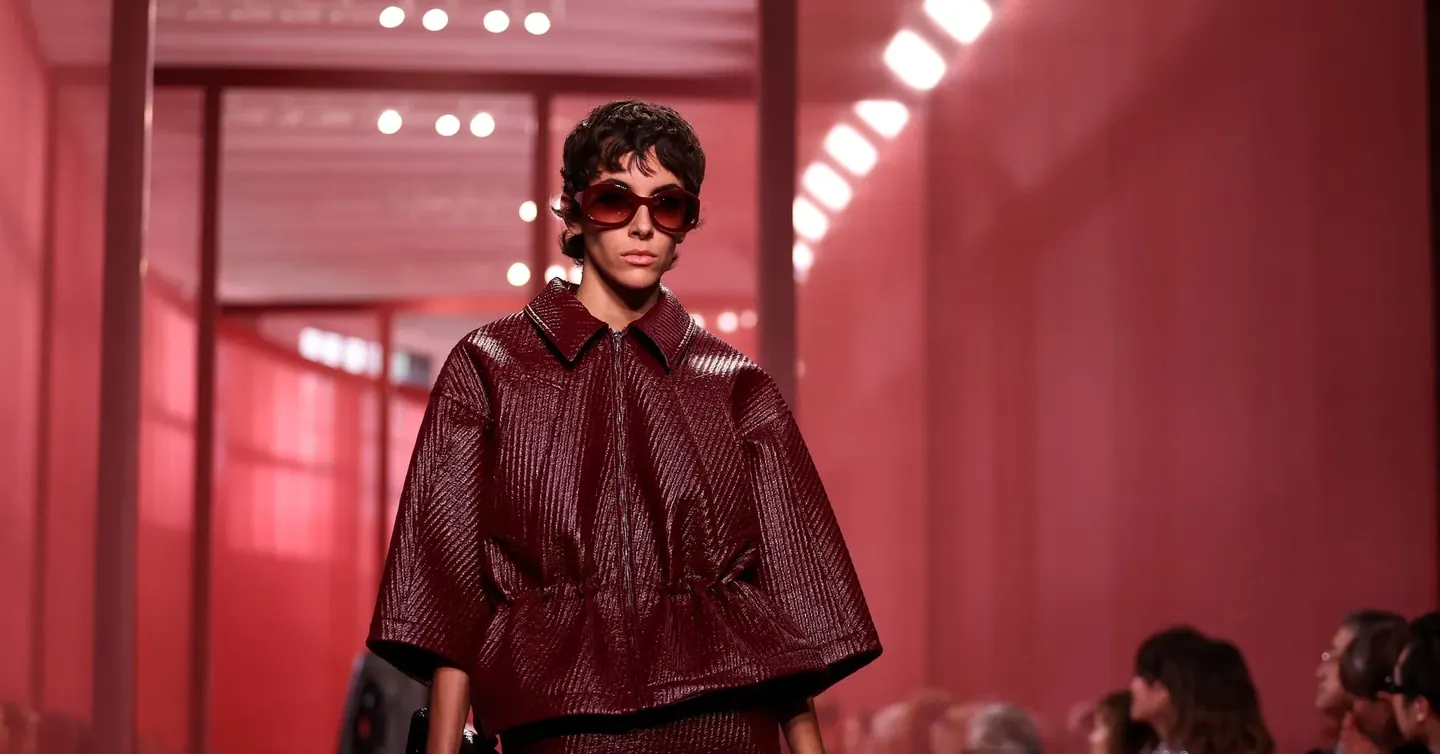
Sales at Kering’s flagship Italian brand, Gucci, fell 8% year on year in the first quarter. The war in Iran hit spending by Middle Eastern shoppers and curbed international travel.
Retail revenue in the Middle East fell 11% over the quarter, despite growth in the first two months of the year, before the war began on 28 February. Chief financial officer Armelle Poulou said the conflict cost Kering 3% of total sales in March and 1% over the quarter as a whole, with roughly the same effect at Gucci.
Gucci’s revenue from January to March came to €1.35 billion, slightly below analysts’ forecasts, which the Visible Alpha consensus put at about €1.37 billion. It is the eleventh consecutive quarterly decline. Once the group’s main profit engine, Gucci is now posting sales at half their 2023 level: years of aggressive price rises, shifting aesthetics and management churn have driven part of its audience away.
The timing is painful: the results came days before Kering chief executive Luca de Meo is due to present a strategic turnaround plan for the €33 billion group. Kering itself called the quarterly result a “first step” in the recovery and confirmed its goal of returning Gucci to growth over the year — most analysts expect the turn in the third quarter.
Group sales overall, including Yves Saint Laurent and the jeweller Boucheron, were flat at comparable currency — better than analysts had expected, having forecast a 5.8% decline. Strong sales of jewellery and eyewear helped. Kering shares are down about 8% since the start of the year.
The first pieces by Demna, who moved to Gucci from sister label Balenciaga last year, reached stores in recent months, and are being counted on to bring sales back.
In China the brand showed some improvement, though luxury sales are still below last year’s. “In China we have an environment that is not helping, but we also have our own difficulties, which we are working on,” Poulou said, adding that the group needs to build store traffic and improve its marketing to resonate better with local shoppers. In the US, momentum accelerated.
De Meo, who took over the group in September, has moved fast: he has strengthened the balance sheet by selling assets, deepened the alliance with beauty giant L’Oréal and set about untangling a once unwieldy management structure. Investors’ attention now shifts to whether there are tangible signs that Gucci’s revival is going to plan — after de Meo described last quarter’s 10% decline as a possible turning point.