

Airports are closed — and luxury’s most profitable channel is collapsing
The travel retail industry is worth $74 billion. Stores are shifting stock between airports, and DFS is already costing LVMH two percentage points of growth.
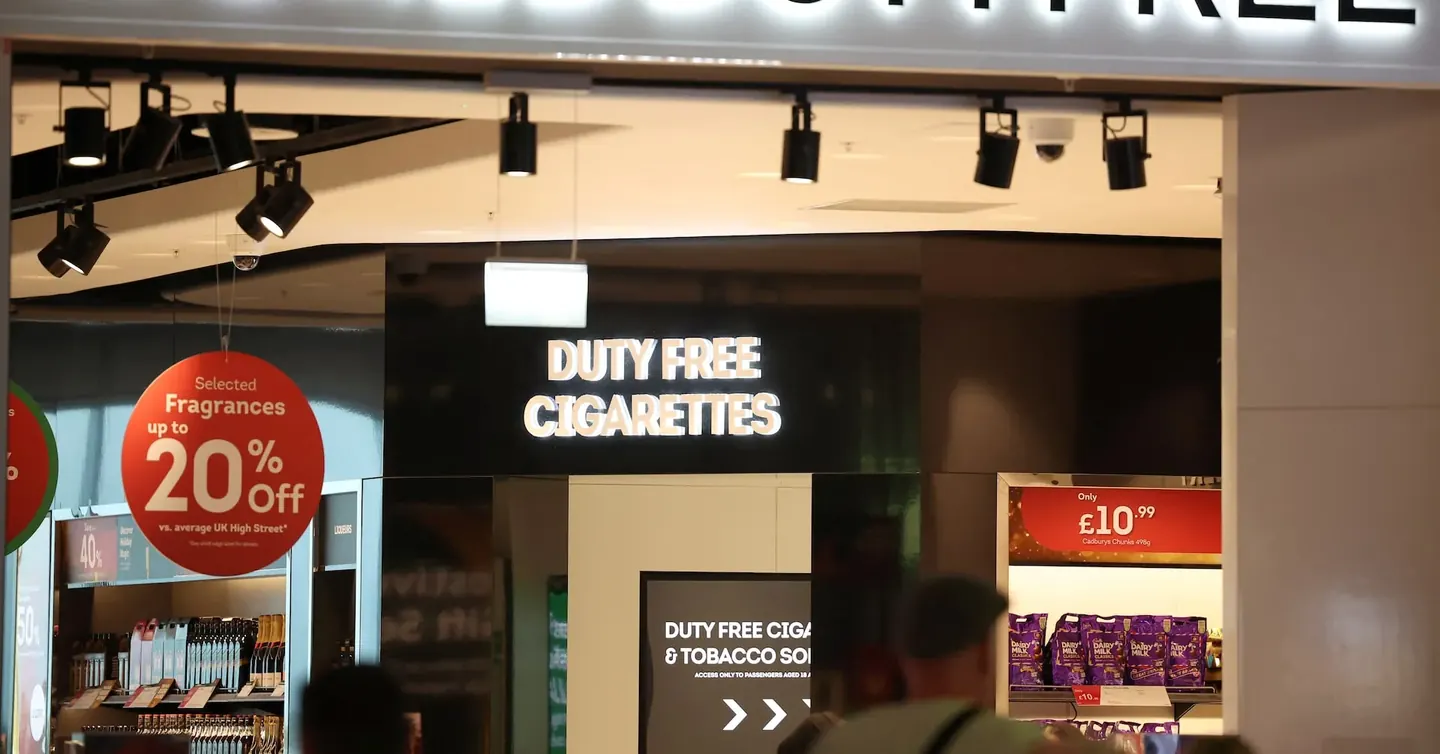
From DFS to Avolta, the duty-free stores that sell premium fragrance and spirits to free-spending travellers are feeling the strain: the conflict in the Middle East is closing airports and restricting travel to the region. The longer the war runs, the sharper the problem becomes.
Now in its sixth week, the disruption has exposed the vulnerability of luxury and beauty groups that had leaned on airport shopping and the Gulf hubs — among the highest-margin channels there are — to offset weak demand in China and Europe. Even a brief airport closure can drag down quarterly profit.
Analysts warn that a prolonged slump in Middle Eastern air traffic will add pressure on the travel retail industry, which is still recovering from the pandemic. Among the exposed are laggards such as LVMH-owned DFS, as well as prestige beauty and luxury: Estée Lauder, Puig, L’Oréal.
International flights to and from the region collapsed in the first half of March. Some UAE carriers are gradually resuming service, but volumes remain well below normal. According to Cirium, the share of cancelled flights from the Middle East (excluding Turkey) fell from a peak of 65% on 3 March to 13% by 27 March — though the number of scheduled flights fell over the same period too.
DFS “is costing two percentage points of growth” at LVMH’s selective retailing division, which also includes Sephora, group chief financial officer Cécile Cabanis told analysts. The conflict cost LVMH at least 1% of sales over the quarter because of lower spending in the Gulf. “What we are seeing today is that demand is still sharply down.”
Companies in the $74 billion travel retail industry are shifting inventory and temporarily closing stores in the region. Dubai International Airport, where L’Oréal’s Aesop, Kering’s Gucci and Estée Lauder’s Jo Malone operate among others, is running with a reduced number of terminals after a drone attack forced the hub to close temporarily. Kuwait International Airport is closed because of repeated drone strikes, halting sales at Avolta and Boots outlets.
Avolta, which takes 3% of its revenue from the Middle East, is moving stock from slow-selling locations to those with more footfall, chief financial officer Yves Gerster said. In some cases, partially closed airports have produced strong sales of food and other goods for stranded passengers — in Dubai, for instance.
Kering chief financial officer Armelle Poulou said travel retail was down slightly on last year, and that “the numbers for local clients proved more resilient than tourism-related demand”. The conflict cost Kering 3% of total sales in March, or 1% over the quarter.
Investors are watching Estée Lauder’s results on 1 May closely: the company is weighing a $40 billion takeover of its Spanish rival Puig. Puig takes a tenth of its sales from travel retail, making it one of the beauty companies most exposed to swings in airport shopping. L’Oréal, whose Asian travel retail business accounted for less than 4% of $44 billion of 2025 sales, reports on 22 April. Estée Lauder and L’Oréal declined to comment; Puig could not respond immediately.