

Luxury lost 70 million customers — and has only now begun to win them back
The market is showing the first signs of recovery. But the key figure in the report is a different one: since 2022 the industry has shed tens of millions of clients by raising prices and concentrating on the very richest.
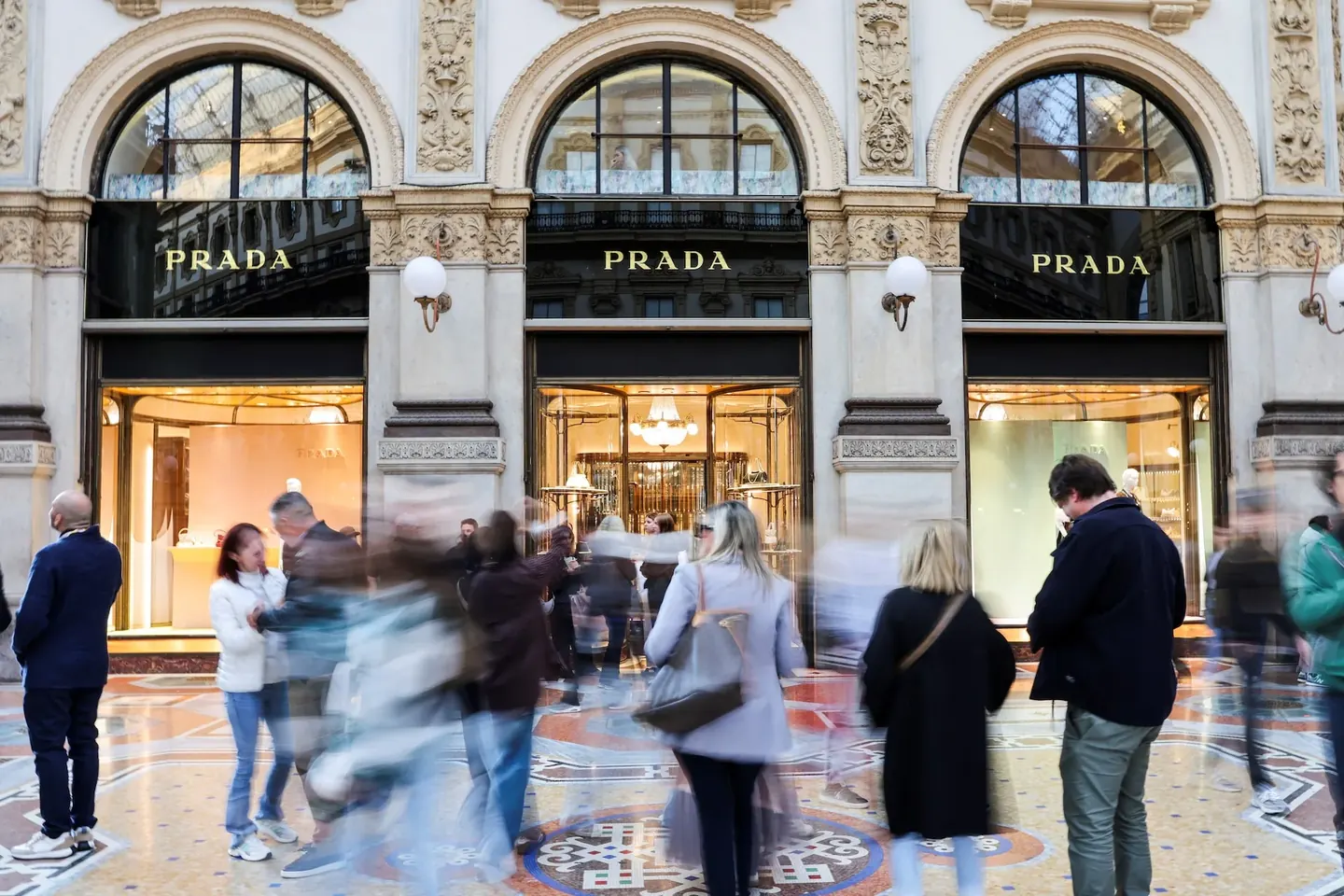
The global personal luxury goods market showed signs of recovery in the second quarter, despite the war in the Middle East. Demand in the US proved stronger than expected.
In the updated forecast, the base case now assumes luxury sales growth of 2 to 4% for the year. The November forecast, made before the start of the war by the US and Israel against Iran, had expected 3 to 5%.
The context matters: the market, valued in 2025 at €358bn ($406bn), contracted for two years running. In 2025 it fell 2% at current rates, though at constant currencies it added 1%. Taking the wider view, experiences still outrun objects: luxury travel, restaurants and hotels are growing faster than goods.
“We are seeing growing uncertainty and turbulence at the macroeconomic and socio-political level, but the market is there,” says the Bain partner Federica Levato.
The geography has changed. Growth in the US, pulled along by American brands and spending by younger shoppers, partly offsets the slowdown in the Middle East and Europe. China is recovering slowly, and what grows there is ready-to-wear rather than leather goods. “The Americas are growing more than expected, and China is recovering faster than expected,” Levato sums up. Europe has been undercut by weakened tourist flows, though signs of stabilisation appeared in May.
But the most uncomfortable figure in the report concerns people. Since 2022 the industry has lost around 70 million customers: brands raised prices and focused ever more tightly on the clients with the largest baskets. “The industry would do well to get back to growing its customer base rather than concentrating only on the top 1%,” Levato says.
Two things are changing shopper behaviour right now. The first is artificial intelligence: around half of luxury shoppers already use it while shopping, to find pieces and compare options. The second is the resale market: half of clients now look there before buying new.