

Saks has come out of bankruptcy half its former size — and now has to win shoppers back
Debt cut by 75%, shareholders including Amazon wiped out, store count halved. Small brands in the creditor queue got nothing.
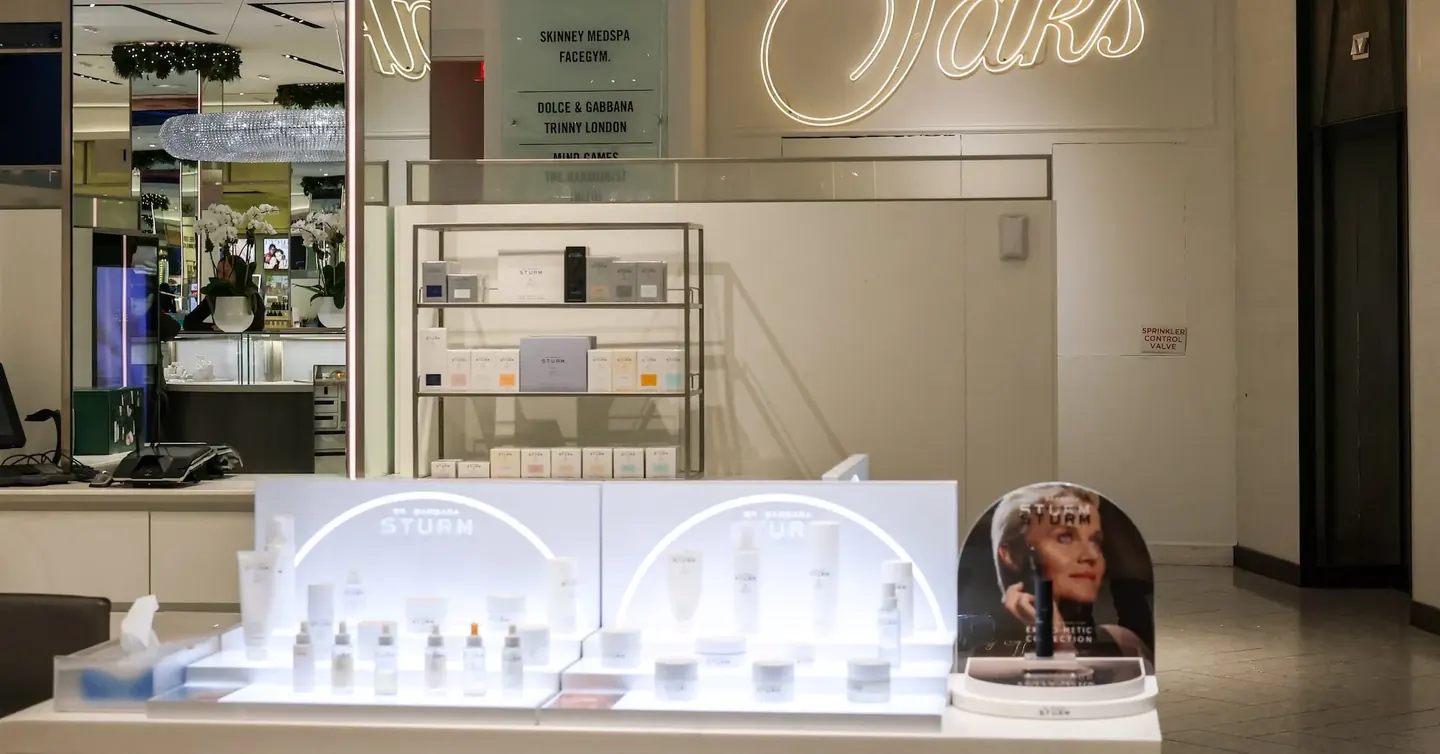
Saks Global has emerged from bankruptcy proceedings with fewer stores and a renewed focus on the top end of luxury, closing a difficult chapter in its history. But the next battle lies ahead: winning shoppers back in a tough luxury market and avoiding a return to court — a scenario all too typical of bricks-and-mortar retailers that have been through bankruptcy.
Saks Global was assembled in 2024 through a debt-funded merger that brought Saks Fifth Avenue, Neiman Marcus and Bergdorf Goodman under one roof — three pillars of American luxury retail that had connected American shoppers with exclusive brands for more than a century. The first Saks Fifth Avenue store was opened by the retail pioneer Andrew Saks back in 1867. The company, now renamed Exemplar Luxury Group, filed for Chapter 11 bankruptcy in January, after delayed payments to suppliers and months of withheld merchandise.
The company now says it stands on firmer financial ground: the store network has been cut by more than half, keeping the best-performing premium locations and all but abandoning outlets. The restructuring cut debt by 75%, to about $1.2 billion, wiped out shareholders including Amazon and handed control to senior creditors. The e-commerce partnership with Amazon has also been dropped, part of the retreat from the mass market.
The stated goals are ambitious: average annual revenue growth of 7% in the 2027–2030 financial years. But that requires shoppers. “That is still an open question,” says Mark Cohen, former director of retail studies at Columbia Business School: luxury brands from Chanel to Louis Vuitton often steer their best product to their own stores, all the more so given Saks’s troubles. Rivals Bloomingdale’s and Nordstrom have already seized the moment. “The Saks–Neiman group needs to start posting positive sales,” Cohen says. “Their recovery forecasts are extremely optimistic.”
Inequities surfaced inside the process. The largest luxury suppliers were favoured: they were guaranteed exclusive payouts on pre-bankruptcy claims, while many smaller labels were left with next to nothing. One supplier owed at least $20,000 in unpaid invoices says it received nothing and no longer expects to see the money. The company notes that almost half the suppliers offered repayment on pre-bankruptcy claims are small independent designers and brands.
The top end is “the space they understand best,” says Gary Wassner, chief executive of the factoring firm Hilldun, which guarantees orders for roughly 180 Saks suppliers. Jonathan Saven, chief executive of the luxury womenswear label L’Agence, says he trusts the new management team.
Brands, meanwhile, want more control over their own merchandise to insure themselves against future upheaval. Saks retains hundreds of agreements that allow suppliers to lease space inside its department stores or keep title to goods until they are sold; those without such deals are hoping to sign them. But a new conflict is brewing: the wholesale model accounts for 75% of Saks’s business and, according to a company spokesperson, it “will account for an even larger share of revenue going forward.” Concession and consignment arrangements could squeeze out smaller and younger labels still further. “It is an unfair system,” says Thomaï Serdari, a luxury brand strategist and professor of marketing at Stern School of Business. “It favours the brands with more capital available to them.”